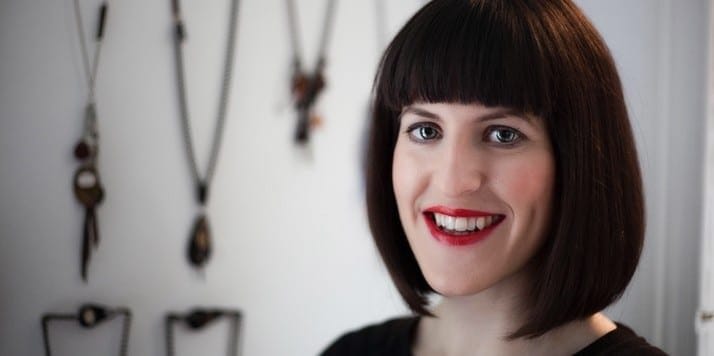
When Lisa Watson started making quilts commercially from her workshop in Audenshaw, Greater Manchester, she made a deliberate choice: every thread, ribbon and fabric would be sourced from British manufacturers. That commitment to made in Britain, rooted in the North West’s textile heritage, is now part of a wider movement. According to Women in Business: Key UK Facts, which draws on the 2024 Alison Rose Review of Female Entrepreneurship, around 1.8 million women run businesses across the UK, and makers such as Watson show how a creative business can combine craft, provenance and profit.
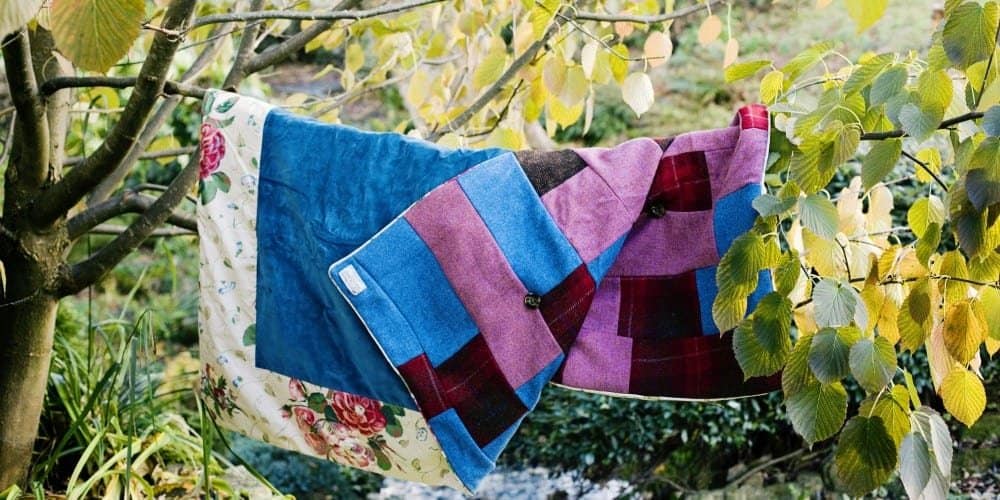
Watson’s quilts range from traditional Harris Tweed to vivid velvets and 1950s retro prints, all trimmed with distinctly British fabrics. Here, she explains why she is committed to made in Britain, and what support helped turn her creative vision into a business.
Home-grown talent
“I believe there has never been a better time to celebrate and invest in the quality, heritage and expertise of British manufacturing,” Watson says. “The resurgence of home-grown products has gathered pace over the last decade. Campaigns such as Made in Britain and a growing consumer appetite for provenance, sustainability and shorter supply chains have put UK-made goods back in the spotlight.”
The UK textile industry has changed dramatically since its nineteenth-century peak, but it remains a significant employer and exporter. According to UKFT data from 2024, the UK fashion and textile industry contributes an estimated £62 billion to the UK economy and supports around 1 million jobs across the full supply chain. Textile manufacturing alone directly employs roughly 100,000 people. The North West continues to be one of the country’s strongest textile clusters, combining historic mills with modern design studios and advanced manufacturing.
“Greater Manchester in particular is enjoying renewed optimism,” Watson says. “I feel enthused to be part of a renaissance in British textile manufacturing.” Alongside her business partner, Frank Fult, she stitches and hand finishes quilts in their Audenshaw workshop. Her ambition is to train and employ others in the local area, inspiring them to continue the legacy of ‘Best is British’.
The ‘light bulb’ moment
Since completing an embroidery degree at Manchester Metropolitan University in 1992, Watson had always worked in textiles, but she wanted to do something more. She worked with the local community through art, from making huge textile banners with Accrington secondary school students to creating artwork with patients and their families at Alder Hey Children’s Hospital in Liverpool. After creating a quilt for an International Women’s Day event in 2009, she was introduced to Claire-Marie Boggiano and her network of North West businesswomen. “And I was hooked,” she says.
Connections and support
“It’s fantastic how supportive and generous women are in life and business,” Watson says. “The pearls of wisdom they share have been essential for both my sanity and start-up success.” When she was starting out, she tapped into local enterprise support to turn her vision into a viable business. For anyone setting up today, the landscape has both changed and expanded.
Your first stop should be your local Growth Hub. In Greater Manchester, the Growth Company offers free advice, workshops and one-to-one support for new and growing businesses. If you need funding, the Start Up Loans Female Founders page explains how the government-backed scheme works for women. Since 2012, Start Up Loans has provided more than £1 billion in funding to over 100,000 businesses, alongside free mentoring. The British Business Bank: New Funding Rules for Women Founders also outlines newer routes, including the Women Backing Women Fund and regional funds.
Manufacturers and makers can also look at Innovate UK for innovation grants, and the Design Council for support with product development and sustainability. “Since making the leap to start making quilts commercially, I’ve never looked back,” Watson says. “It’s been tricky at times to balance designing and sewing, juggling freelance work and looking after the family, but I feel that I am finally on the path to reach the equilibrium I have always dreamed of.”
Why made in Britain still matters
Choosing British is about more than a label. It means shorter supply chains, lower transport emissions, clearer ethical standards and the chance to build real relationships with the people who make your materials. For a small business, it also creates a story customers can connect with. Every quilt Watson makes carries the history of Lancashire mills, Cheshire ribbon weavers and British wool growers; that is something mass-produced imports cannot replicate.
The economic case has also strengthened. Make UK data from 2024 shows that manufacturing employs around 2.6 million people and contributes roughly £518 billion in output. For creative makers, organisations such as the Crafts Council provide market intelligence, support and access to networks that help small studios reach new markets.
Events such as Global Entrepreneurship Week, which takes place every November, are a reminder that help is out there. With thousands of free events, workshops and networking opportunities across the UK, it is a practical time to tap into advice and give your business a boost.
Practical first steps for start-up makers
- Speak to your local Growth Hub. Growth Hubs are government-funded partnerships that offer free, impartial advice on everything from business planning to funding. You can find yours through the GOV.UK business support finder.
- Explore start-up finance. Start Up Loans offer personal loans for business purposes alongside free mentoring, while the British Business Bank can signpost you to other schemes.
- Protect your designs. Textiles and patterns can be protected through copyright, design registration and trade marks. The Intellectual Property Office has guidance tailored to creative businesses.
- Join a trade body or network. Organisations such as the UK Fashion & Textile Association, Made in Britain and the Crafts Council offer networking, credibility and market intelligence.
- Tell your story. Customers increasingly want to know where products come from. Share your sourcing, your makers and your values on your website and social media.
- Get the tax basics right. If you are working from a home studio or workshop, keep clear records of materials, equipment and studio costs from day one.
Lisa sells her quilts through her own website and donates £10 from every quilt sold to three chosen charities.
Your next steps as a British maker
Made in Britain is not a nostalgia project. For Watson, it is a practical business strategy that shortens supply chains, builds customer trust and keeps craft skills alive in communities that built their reputation on textile manufacturing. Whether you are a maker, designer or product business, the support available in 2026 is better than ever. Start with your local Growth Hub, protect your intellectual property, and tell the story behind your materials. The customers who care about where things come from are waiting.